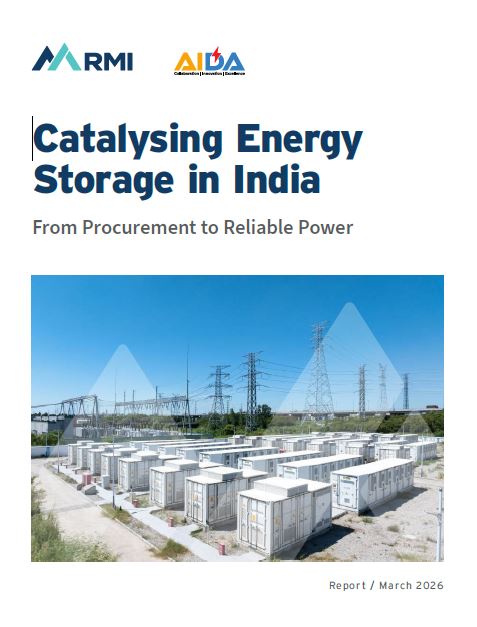
Energy Storage in India

Abstract:
Owing to the absence of shadow-free terrain in remote areas, the solar resource alone cannot fulfill the energy requirements of the underprivileged populace.Consequently, the accessible renewable energy assets should be harnessed for optimal electricity production as a strategic initiative. This research presents an extensive techno-economic viability assessment of a hybrid solar-wind mini-grid system designed to satisfy the fluctuating energy requirements of the inhabitants residing in an Indian wildlife sanctuary. Various solar-wind arrangements with a battery energy storage system are examined to determine the most efficient and cost-effective design, which includes a 2.79 kWp photovoltaic plant, a 2 kWp wind turbine, and a 12 V, 100Ah lithium battery to ensure a continuous 24-hour electricity supply. The findings indicate that the newly optimized system comprises 64.1% solar and 35.9% wind contributions, with an overall system expenditure of INR7,77,515.50 and a cost of energy (COE) of INR14.64/kWh. The deployment of solar-wind hybrid mini-grid systems in remote areas will facilitate the attainment of SDG-7 objectives by 2030 while ensuring affordable energy access for the local community.The findings of the study hold considerable importance for the industry, researchers, and policymakers in deploying decentralized hybrid minigrids in remote areas globally.