Energy Storage in India

Abstract:
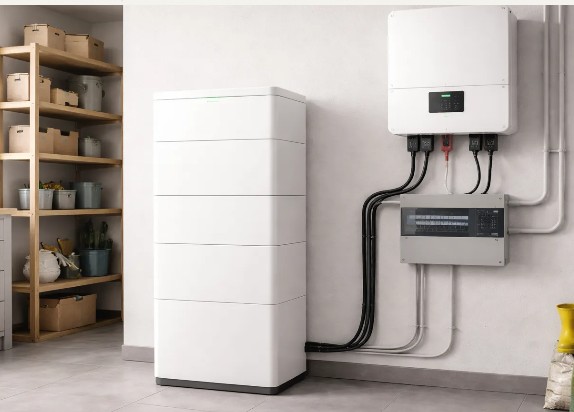
Lithium Iron Phosphate (LFP) batteries have emerged as the preferred choice for home energy storage systems in 2026 due to their affordability, durability, operational safety, and wide market availability. Compared to other battery technologies, LFP systems offer longer life cycles and reliable performance, making them highly suitable for residential applications. While lead-acid batteries may appear cost-effective because of their lower upfront price, their shorter lifespan and higher maintenance requirements result in greater life cycle costs over time. Therefore, the most important factor in evaluating storage systems is not the initial purchase price, but the cost per kilowatt-hour (kWh) throughput over the battery’s operational lifetime.
Among emerging technologies, sodium-ion batteries are gaining attention as a promising alternative due to their potential cost advantages and material availability; however, they are not yet widely available for residential storage applications. Redox flow batteries, on the other hand, are more suitable for large-scale storage capacities above 30 kWh and are generally not economically viable for single-family homes. For current buyers, experts recommend choosing LFP-based storage systems from established manufacturers with warranty periods of at least 10 to 15 years to ensure long-term reliability and performance.