Energy Storage in India

Abstract:
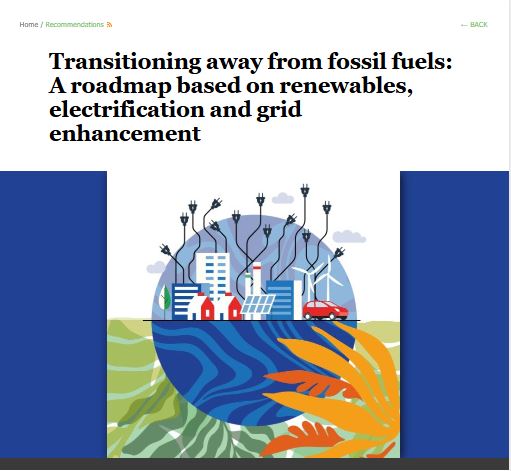
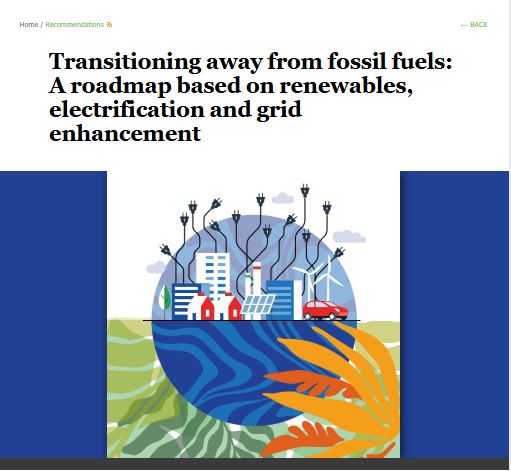
The global energy transition is entering a new phase influenced by geopolitical uncertainties, increasing power consumption, and structural transformations in the global energy landscape. In light of the results from the First Global Stocktake and the UAE Consensus at COP28, the challenge has evolved beyond merely establishing targets; it now involves devising cohesive implementation strategies that can expedite the transition from fossil fuels (TAFF) while enhancing energy security, resilience, and sustainable development. According to IRENA’s updated 1.5°C Scenario, electricity would increase from around 23% of global final energy consumption currently to 35% by 2035 and exceed 50% by 2050, establishing itself as the predominant global energy carrier. Electrification, bolstered by the implementation of renewable energy, grid modernization, and enhancements in energy efficiency, constitutes a "no-regret" strategy that may concurrently diminish emissions, fortify energy security, enhance affordability, and promote green industrialization and competitiveness. The research emphasizes that infrastructure is emerging as a pivotal challenge in the shift. Accelerated electrification and renewable energy implementation will necessitate significant expansion of grids, storage, and system flexibility, in addition to enhanced system integration and strategic planning for the decommissioning of fossil fuel infrastructure.